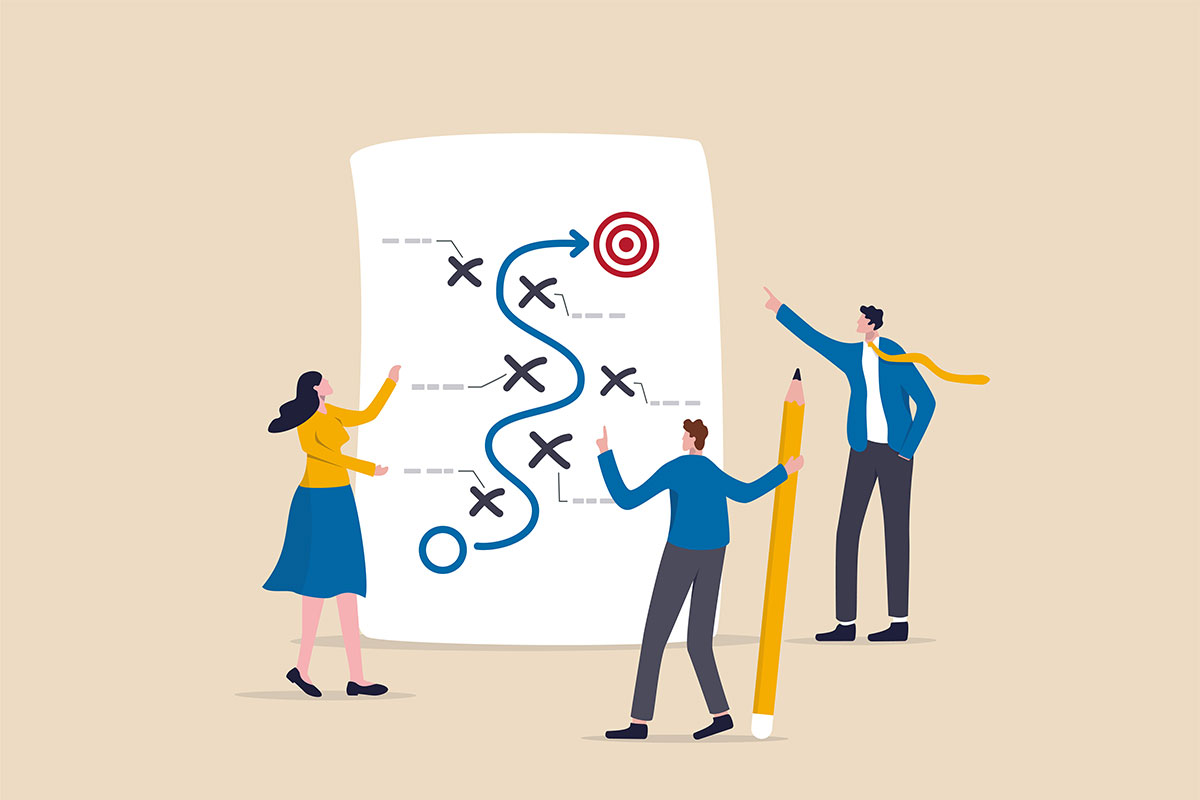
Launching and scaling a new brand is one of the most exciting challenges in business. I have had the opportunity to work on multiple brands across different industries, from beverages to automotive to manufacturing. Each launch taught me valuable lessons about growth, adaptability, and the importance of building strong foundations. While no two brands are the same, there are consistent strategies that can help drive rapid and sustainable growth.
Understanding the Market Before You Launch
One of the first steps in scaling a new brand is understanding the market. It is essential to know who your customers are, what they value, and what gaps exist in the current market. In my experience, research goes beyond surveys and focus groups. Observing competitors, analyzing trends, and speaking directly with potential customers provide insights that can shape product positioning and messaging. A strong understanding of the market allows a brand to differentiate itself and connect meaningfully with its audience.
Aligning Strategy with Business Goals
Once you understand the market, it is important to align your brand strategy with broader business objectives. Whether the goal is revenue growth, market share, or brand recognition, your marketing, sales, and operations strategies must work together to support it. Early alignment prevents missteps and ensures that every initiative contributes to the overall vision. I have seen brands struggle when departments work in isolation. Bringing teams together from the start creates clarity and shared ownership.
Building a Scalable Framework
Scaling a brand requires systems and processes that can grow alongside it. From the beginning, it is important to establish workflows that are efficient and repeatable. This includes everything from marketing campaigns to supply chain management. In my time managing multiple product launches, I learned that investing in scalable systems early saves time and prevents chaos as the brand grows. Technology, clear communication, and project management tools are essential for keeping teams aligned and focused on growth.
Leveraging Data for Smart Decisions
Data-driven decision-making is critical when scaling a brand. Tracking customer behavior, campaign performance, and sales metrics provides insights that inform next steps. In my experience, data allows teams to quickly identify what works and what does not. By making adjustments based on real-time feedback, brands can accelerate growth while avoiding costly mistakes. It also helps create a culture of accountability and continuous improvement.
Fostering a Strong Brand Identity
A brand is more than a logo or a product. It is the promise you make to your customers. Building a strong identity requires consistency across every touchpoint, from packaging to social media to customer service. In my career, I have seen the impact of a clear and authentic brand voice. Customers respond to brands they can trust and relate to. By creating a cohesive and meaningful identity, brands can build loyalty and advocacy, which fuels long-term growth.
Empowering Teams to Execute
No brand grows without a committed and empowered team. One of the key lessons I have learned is that scaling requires people who understand the vision and are motivated to execute it. Clear roles, open communication, and a culture that encourages creativity and problem-solving make a huge difference. Empowering team members to take ownership of their work accelerates execution and allows the brand to adapt quickly to new challenges.
Learning and Adapting Quickly
The reality of scaling a brand is that not everything will go according to plan. Market conditions change, customer preferences shift, and unexpected challenges arise. I have found that the brands that succeed are those that are flexible and willing to learn from both successes and failures. Iteration is key. By testing, measuring, and adjusting, brands can continue to grow even in dynamic and competitive markets.
Maintaining Focus on Growth
Finally, it is important to maintain a clear focus on growth while balancing short-term wins with long-term goals. Rapid expansion can be tempting, but sustainable growth requires discipline, prioritization, and careful planning. By keeping the bigger picture in mind and maintaining alignment across teams, brands can achieve meaningful progress without sacrificing quality or customer experience.
Conclusion
Scaling a new brand quickly and effectively is a challenging but rewarding journey. Through my experience, I have learned that success requires a combination of market insight, strategic alignment, scalable systems, data-driven decision-making, strong brand identity, empowered teams, and the ability to adapt. Every launch teaches lessons that can be applied to future growth opportunities. By embracing these principles, leaders can transform a brand from zero to growth while creating lasting impact in the market.